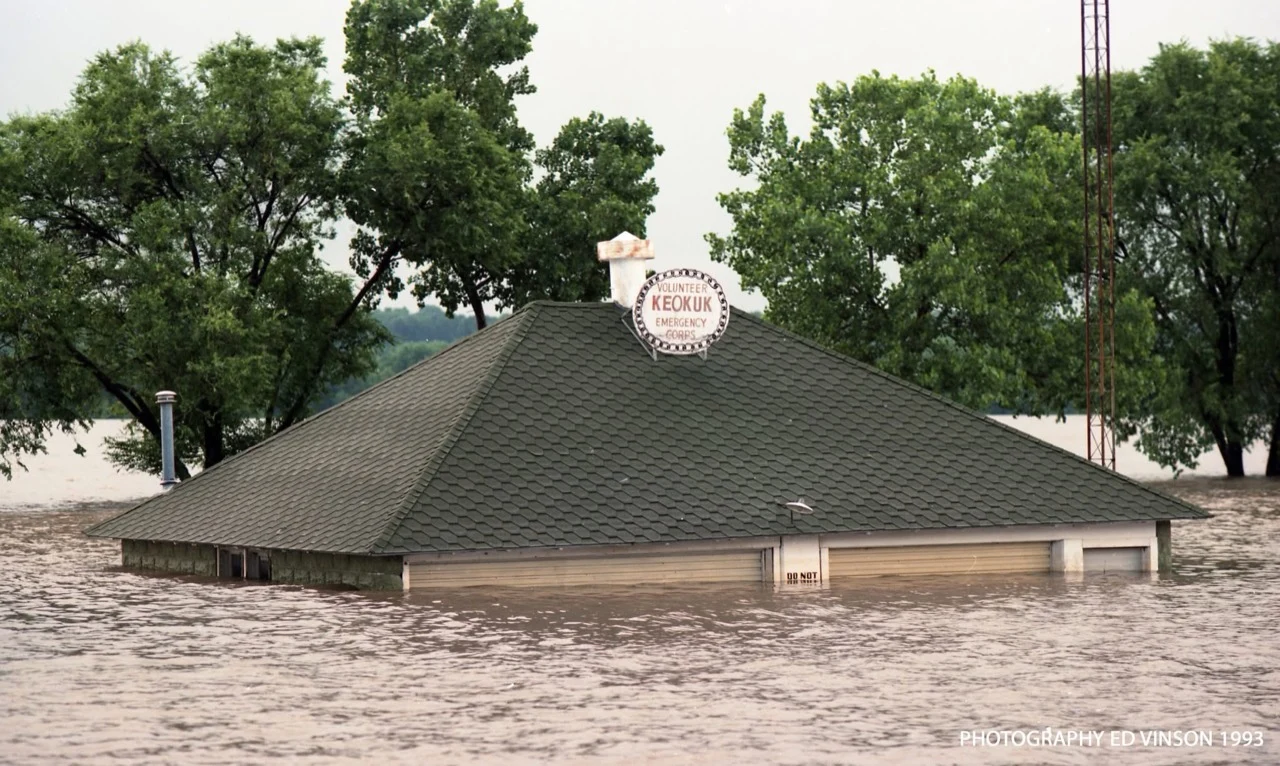
KVEC · 1993 flood · Photograph: Ed Vinson
Information & resources
Keokuk, Iowa · Volunteer search & rescue
SAFETY QUIZZES
Build sound habits for hiking, changing conditions and getting help when an outing goes wrong.
Choose one answer for each question. We’ll explain the correct answer before you move on. At the end, review your results or take the quiz again.
Your answers stay on this page and are not submitted. Reloading starts a new attempt.
Enable JavaScript for the interactive quiz, or use the questions and answer explanations below.
Correct answer: Current weather, closures and local hazards
Conditions can change between planning and departure. Check the land manager's current information.
Correct answer: Match it to the abilities and equipment of everyone going
A suitable route accounts for the whole group and the conditions.
Correct answer: A trusted person staying behind who knows when to report you overdue
Share your route, expected return and overdue instructions with someone outside the group.
Correct answer: Carry a map and compass and know how to use them, alongside electronic tools
Electronic devices can fail. Navigation skills and a non-electronic backup matter.
Correct answer: A headlamp or flashlight with spare power
Carry a dependable light even when you intend to return before dark.
Correct answer: Stop, calm down and assess your location
Pause before making the situation worse. Check your navigation tools and surroundings.
Correct answer: Your location or coordinates, last known point and relevant landmarks
Give precise location details and describe injuries, equipment and conditions when asked.
Correct answer: Stay there unless an immediate danger requires moving
Moving can make you harder to locate. If immediate danger forces a move, update dispatch if possible.
Correct answer: A whistle
A whistle can attract attention with less effort than repeated shouting.
Correct answer: Appearance does not establish that it is safe
Water can contain illness-causing organisms even when it looks clean.
Correct answer: Filter it, then disinfect it using appropriate methods
Filtering followed by disinfection provides broader protection than either step alone. Follow product instructions.
Correct answer: Give it more space and follow local distance rules
A reaction can mean you are too close. Use binoculars or a zoom lens from a safe distance.
Correct answer: Follow the area's required wildlife-resistant storage rules
Food and other attractants can draw wildlife into camps. Storage requirements vary by location.
Correct answer: Never feed it or leave food available
Feeding can harm animals and encourage dangerous encounters with people.
Correct answer: Reach a substantial building or enclosed metal-topped vehicle
There is no safe outdoor location near a thunderstorm. Plan outings to reach proper shelter before storms arrive.
Correct answer: Call for emergency help and start cooling them
Altered mental status can indicate heat stroke. Treat it as an emergency.
Correct answer: Get sheltered and replace wet layers with dry insulation
Staying warm and dry helps prevent hypothermia. Confusion or declining responsiveness needs urgent help.
Correct answer: Turn back, wait or choose a safe alternative route
A planned crossing is not automatically safe. Be willing to change the trip rather than attempt dangerous water.
Correct answer: Stop, assess the situation and seek appropriate help
Adjust the trip to the person's condition and get emergency assistance when needed. Avoid adding further risk.
Correct answer: Use available shelter and permitted signaling methods without starting a fire
Do not create a wildfire while trying to signal or stay warm. Follow current restrictions.
Educational practice. This quiz is not a certification or a substitute for hands-on training. For emergency assistance, call 911.
Answers reviewed November 2026 against the following public guidance.